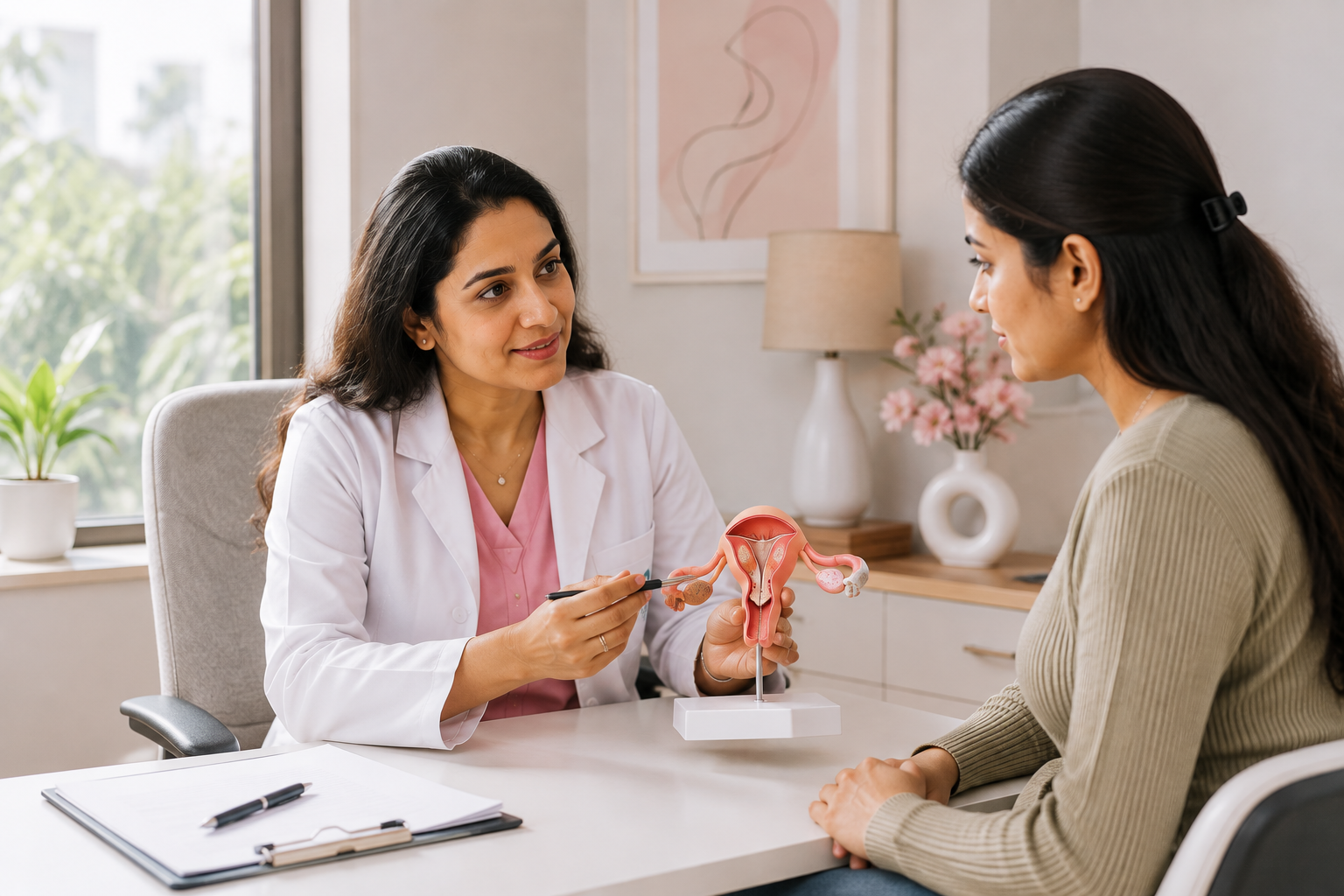
Vaginal itching and dryness are both issues that can affect women at various stages of life. Symptoms can arise temporarily and resolve on their own, or they may last for long periods depending on the cause of the problem. In some instances, mild discomfort may not be a serious concern, but in other cases, ongoing dryness and itching may be a sign of an infection, disturbance in hormone level, skin irritation, or other medical problems.
The first step toward receiving needed treatment lies in determining the cause of the symptoms. Forgetting about discomfort or trying to address the issue on one’s own is not the best way to go about dealing with pain.
What Is Vaginal Dryness?
Vaginal dryness takes place when there is a lack of natural moisture within the vaginal area. The vagina produces lubricant to help it become more comfortable during intercourse by keeping the tissues lubricated and reducing friction. If there isn’t enough natural lubricant, women may face dryness, irritation, burning, or discomfort.
Vaginal dryness is often related to hormone changes, especially during the perimenopause and menopause stages. However, it can also occur in younger women for various reasons.
Some common causes include:
- Hormonal fluctuations
- Pregnancy and breastfeeding
- Certain medications
- Stress and anxiety
- Some medical conditions
- Lack of adequate arousal during sexual activity
- Use of irritating personal-care products
Common Symptoms of Vaginal Dryness
The symptoms can vary from woman to woman. Some may experience only mild discomfort, while others may have more noticeable symptoms.
Common signs include:
- Dryness or tightness
- Burning or irritation
- Discomfort during intercourse
- Mild itching
- Increased sensitivity
- Soreness around the vaginal area
- Discomfort while sitting or exercising
If dryness continues for several weeks or interferes with daily life or intimacy, it is advisable to consult a gynecologist.
What Causes Vaginal Itching?
Vaginal itching can arise from a variety of different factors. While one option is the possibility of an infection occurring, itching does not imply that an infection must be present. Frequent causes of vaginal itching include yeast infections, bacterial infections, allergies, problems with the skin, alterations in hormone levels, and irritations caused by the use of personal hygiene products.
If a product has a strong smell and is a soap, intimate wash, perfume or laundry detergent, then it can cause irritation of the sensitive skin that lays around the vulva. Also, wearing too tight clothes with no breathability for prolonged periods of time might lead to irritation as well due to excess moisture and friction.
Symptoms That May Accompany Vaginal Itching
Depending on the underlying cause, itching may occur along with:
- Redness
- Swelling
- Burning
- Unusual vaginal discharge
- Changes in vaginal odor
- Pain while urinating
- Soreness
- Discomfort during intercourse
The combination of symptoms can provide useful clues about the possible cause, which is why proper evaluation is important.
Vaginal Dryness and Itching Can Occur Together
Sometimes, itching can arise from dryness. In the case of dryness in the vagina, the tissues may become irritated and sensitive to the point of causing an itchy or burning feeling. However, if the itching is accompanied by unusual discharge, a strong smell, marked swelling, or any other discomfort lasting for some time, then the underlying cause may not be the dryness.
When Should You See a Gynecologist?
Occasional mild irritation may settle after removing a possible irritant. However, professional evaluation is recommended when symptoms are persistent, severe, or repeatedly returning.
You should consider consulting a gynecologist if you experience:
- Persistent vaginal dryness
- Recurrent vaginal itching
- Pain during intercourse
- Burning while urinating
- Unusual vaginal discharge
- Strong or unusual odor
- Bleeding unrelated to your menstrual period
- Swelling or significant redness
- Symptoms that do not improve with basic care
A gynecologist can evaluate the symptoms and determine whether further testing or treatment is required.
How Is the Cause Diagnosed?
In most cases, diagnosis begins with a conversation about signs and symptoms, health history of individual, medications used, menstrual or hormonal changes, and personal habits.
Based on the manifestations observed by a woman, a doctor may either conduct a physical examination or recommend certain tests to rule out infections or other disorders. For women with symptoms related to hormonal changes, the age of the patient, menstrual issues and similar factors are of importance as well.
An accurate diagnosis is necessary because treatment for infections differs from treatment for hormonal dryness or irritation of the skin.
Treatment for Vaginal Dryness
The nature and degree of the cause of dryness dictates the form that treatment will take.
For some women, easy, simple solutions to relieve discomfort will be to use vaginal moisturisers or the right type of lubricant. Where hormonal changes are the cause of dryness, the doctor will recommend possible forms of treatment depending on the individual’s medical history and current health status.
In some cases, advice on lifestyle changes and practices regarding intimacy may be conveyed to the women in order to lessen the presence of discomfort.
Modern gynecological practice also provides various options for treating women suffering from chronic complaints or problems relating to intimacy. However, the options have to be weighed after the relevant diagnosis has been made.
Treatment for Vaginal Itching
There is no one specific treatment when it comes to dealing with vaginal itching since the correct remedy must take into consideration what causes it. For example, where there is a case of infection, treatment will involve using a particular medicine. By the same token, irritation caused by a certain product can be discontinued and the irritation may stop after stopping to use that product. As for hormonal changes, they will be dealt with in a different way.
This is the reason why applying various creams and medicines without knowing what the cause is will lead to ineffectiveness or worsening of irritation.
Simple Ways to Support Vaginal Health
A few everyday habits can help reduce unnecessary irritation:
Maintain Gentle Hygiene
The vaginal area does not require aggressive cleaning. Avoid excessive washing and harsh or heavily fragranced products.
Choose Breathable Clothing
Cotton underwear and comfortable clothing can help reduce moisture and friction.
Avoid Known Irritants
If a particular soap, detergent, sanitary product, or personal-care product causes irritation, discontinue its use.
Stay Hydrated
Adequate fluid intake supports general health and may contribute to overall tissue hydration.
Do Not Self-Medicate Repeatedly
If symptoms keep returning, treating them repeatedly without identifying the underlying cause may delay proper diagnosis.
Is Vaginal Dryness Related to Menopause?
Vaginal dryness increases during both perimenopause and menopause since estrogen levels will dip in both cases. This might change the tissues of the vagina and lead to less natural lubrication.
Women might also experience other symptoms such as pain during intercourse or heightened sensitivity.
While these changes may be typical, women should not have to tolerate the discomfort. Making an appointment with a gynecologist can help to ensure the best solution based on symptoms and health needs.
Final Thoughts
Dryness and itchiness of the vagina are common problems when it comes to intimate health, but the causes for the condition can differ. Hormonal fluctuations, infections, allergies, medications, skin disorders, and regular irritants can be some of the reasons behind the symptoms.
To provide treatment, the first step is knowing the cause of the problem. If the symptoms have not subsided, seek assistance from a gynecologist.
Women seeking a gynecologist specializing in vaginal dryness in New Delhi can benefit from a consultation to understand the cause of their ailment. Similarly, those looking for treatments for vaginal itching in Delhi or intimate irritation treatment in Delhi should consult a gynecologist rather than relying solely on self-medication.