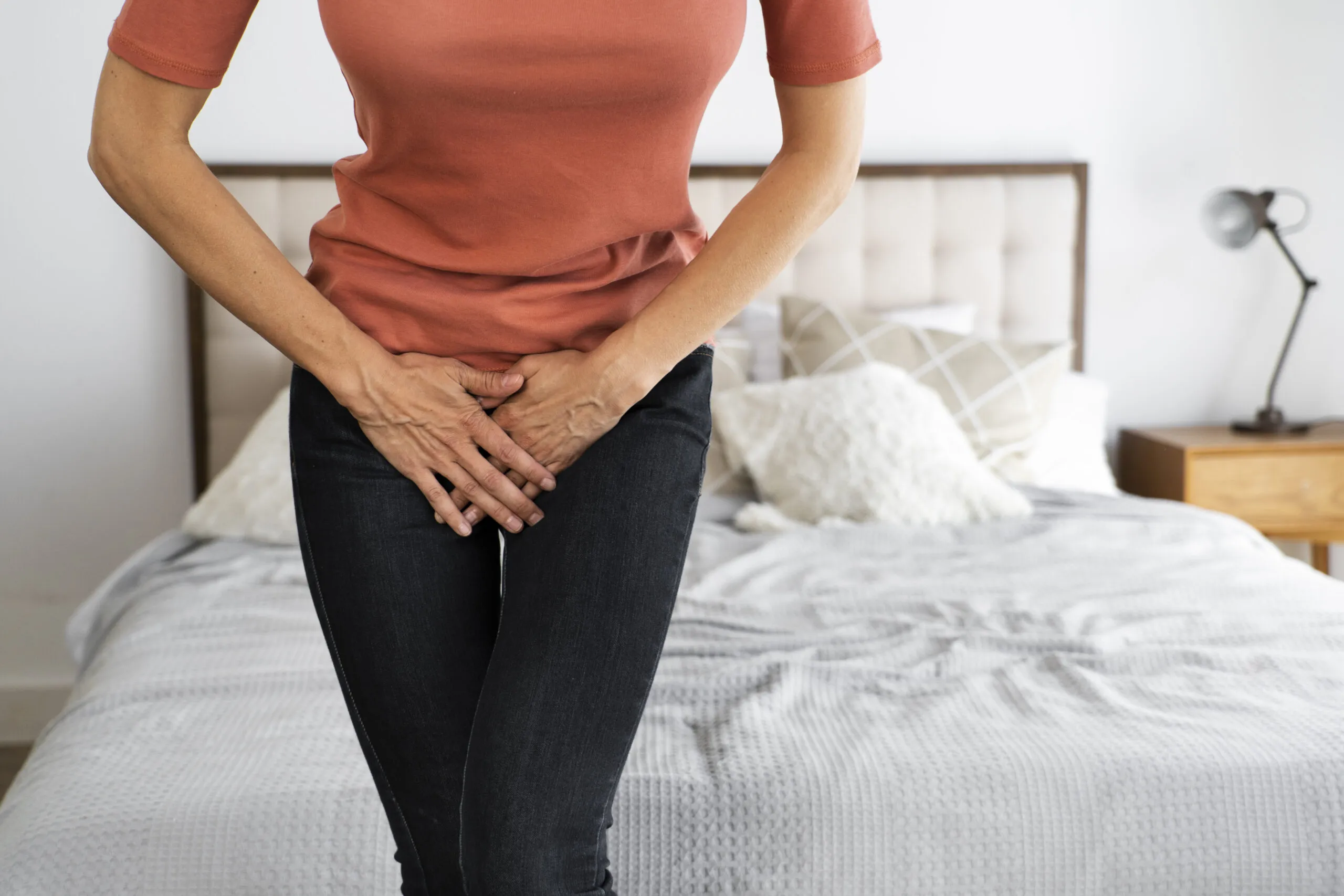
Urine leakage can be embarrassing and frustrating-particularly when it’s happening regularly and interfering with your life. Are you leaking urine when you cough, sneeze, laugh, exercise or just trying to get to the bathroom? You are not alone. Incontinence is common, but it isn’t something you need to accept as part of getting older.
Urinary Incontinence Treatment In Swaaya Cosmetic Gynaecology Clinic, women are able to consult experts for the treatment of urinary incontinence in Delhi and get a suitable treatment plan as per their symptoms and health conditions.
What Is Urinary Incontinence?
Urinary incontinence is the uncontrolled loss of urine. It occurs due to failure of the bladder muscle, the pelvic muscles or the control mechanisms controlling the flow.
This disease can affect women of any age group but more frequently occurs after pregnancy and delivery, during menopause and as women grow older.
Women searching for a doctor of urinary incontinence in Delhi should know that there are a variety of reasons for urine leakage, and your doctor will need to find the cause first.
Common Causes of Urinary Incontinence in Women
Several factors can contribute to bladder control problems, including:
- Pregnancy and childbirth: Pregnancy and vaginal delivery can weaken the pelvic floor muscles that support the bladder.
- Weak pelvic floor muscles: Reduced muscle strength can make it difficult to control urine leakage.
- Menopause: Hormonal changes, particularly declining oestrogen levels, may affect the tissues supporting the urinary tract.
- Ageing: Changes in bladder function and muscle strength can increase the chances of leakage.
- Urinary tract infections: Infections may cause frequent urination, urgency, and temporary leakage.
- Chronic coughing or constipation: Repeated pressure on the pelvic floor can contribute to bladder control problems.
Types of Urinary Incontinence
Understanding the type of incontinence helps doctors recommend appropriate treatment.
- Stress Incontinence: Urine leaks during activities such as coughing, sneezing, laughing, lifting heavy objects, or exercising.
- Urge Incontinence: A sudden, strong urge to urinate occurs, followed by involuntary leakage.
- Mixed Incontinence: A combination of stress and urge incontinence symptoms.
- Overflow Incontinence: The bladder does not empty properly, resulting in frequent or continuous dribbling.
Urinary Incontinence Treatment Options in Delhi
Treatment of bladder leakage in Delhi depends on the type of bladder leakage, the severity of bladder leakage, medical history, and the overall health of the pelvic floor.
Your doctor may suggest any of the following if you are seeing a urinary incontinence specialist in Delhi.
– Pelvic Floor Exercises: These exercises will help strengthen the bladder support and control muscles.
– Bladder Training: Sticking to a scheduled urination routine and gradually attempting to do so at increasingly longer intervals.
– Lifestyle Changes: Fluid restrictions, decreased caffeine intake, a healthy weight, and treatment of constipation may be helpful in treating these symptoms.
– Medication: There are some tablets that can be taken if necessary to treat overactivity of the bladder and urgency if it is applicable.
– Your specialist will need to reach a diagnosis and may then be able to discuss treatment options including pelvic floor physiotherapy, specialised procedures, or surgery.
Not all women are fit for all the treatments. It is advisable to undergo a gynaecological assessment before selecting a type of treatment.
Bladder Incontinence Treatment for Women in Delhi: When Should You Seek Help?
Bladder leakage is embarrassing for women, and they sometimes avoid going to the doctor. But finding out what’s wrong early on can keep symptoms from disrupting everyday life.
Ask for professional help if you have:
– Frequent urine leakage during physical activities.
– Unexpectedly accelerated urination when it is unmanageable.
– Repeated bathroom visits, especially at night.
– Difficulty emptying your bladder completely.
– Leakage that impacts your confidence, sleep, or everyday life.
Visit a doctor if you have additional symptoms of a UTI, such as a burning sensation when urinating, fever, blood in the urine or pelvic pain.
Read Our Other Blogs: Vaginal Dryness and Itching: Causes, Symptoms and Treatment Options
Why Choose Swaaya Cosmetic Gynaecology Clinic?
Selecting the right medical guidance is an essential phase of life to deal with bladder control and pelvic wellness. Women can talk to our specialists at Swaaya Cosmetic Gynaecology Clinic to share their condition, find likely causes, and seek recommended treatment options.
Strive to find the root cause of the concern and suggest a tailor-made intervention rather than looking for a quick fix.
If you are suffering from bladder leakage and other urinary issues, let a qualified gynaecologist guide you to the options you have to move forward with your pelvic health.
Frequently Asked Questions (FAQs)
The most suitable treatment depends on the type and severity of urinary incontinence. Pelvic floor exercises, bladder training, medications, physiotherapy, and certain medical procedures may help improve bladder control.
Yes. Many women can manage urinary incontinence without surgery. Pelvic floor exercises, lifestyle changes, bladder training, and medication may help, depending on the underlying cause.
Pregnancy and childbirth can stretch or weaken the pelvic floor muscles that support the bladder. This may result in urine leakage, particularly while coughing, sneezing, laughing, or exercising.
You should consult a specialist if you regularly experience urine leakage, sudden urinary urgency, frequent urination, or difficulty controlling your bladder. Early evaluation can help determine the appropriate treatment.
Maintaining a healthy weight, practising pelvic floor exercises, avoiding excessive caffeine, managing constipation, and following healthy bladder habits may help reduce the risk or severity of urinary leakage.